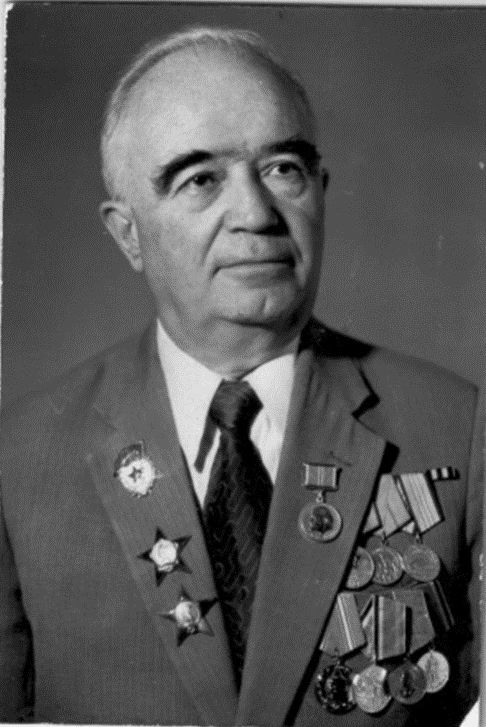
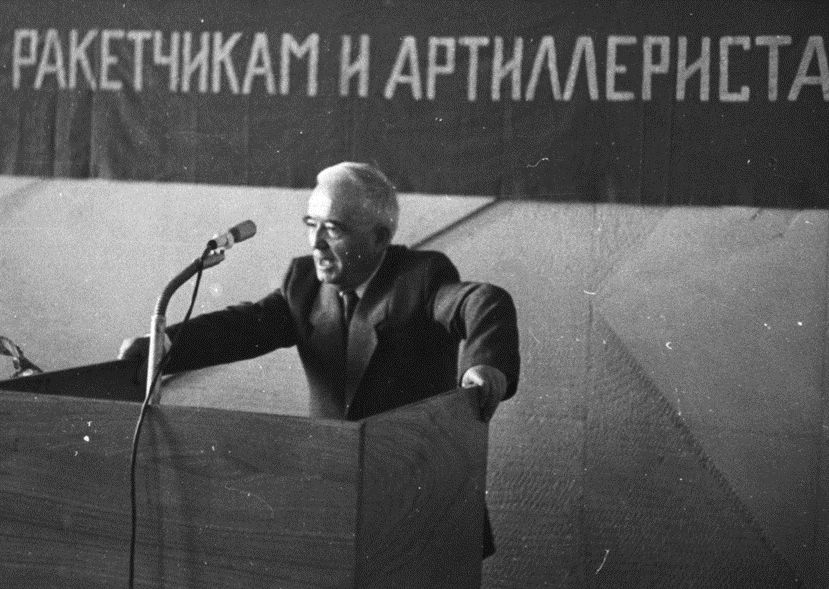
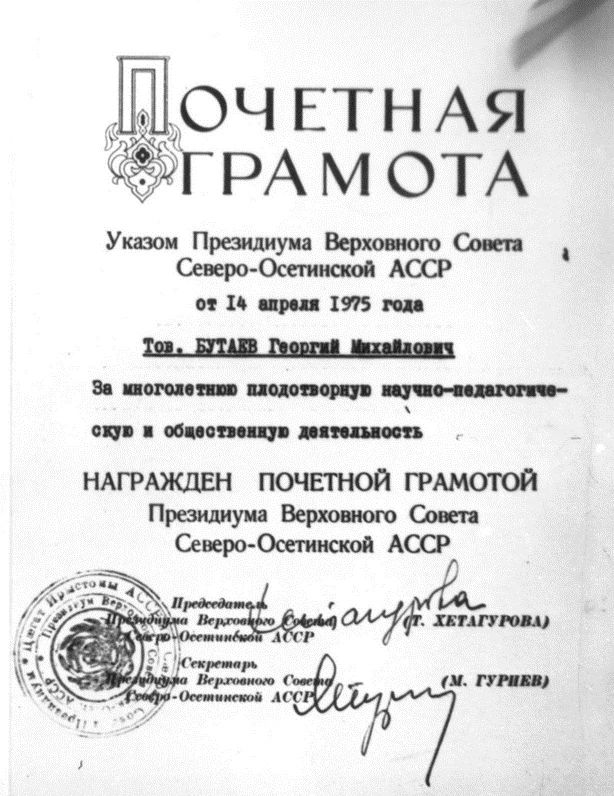
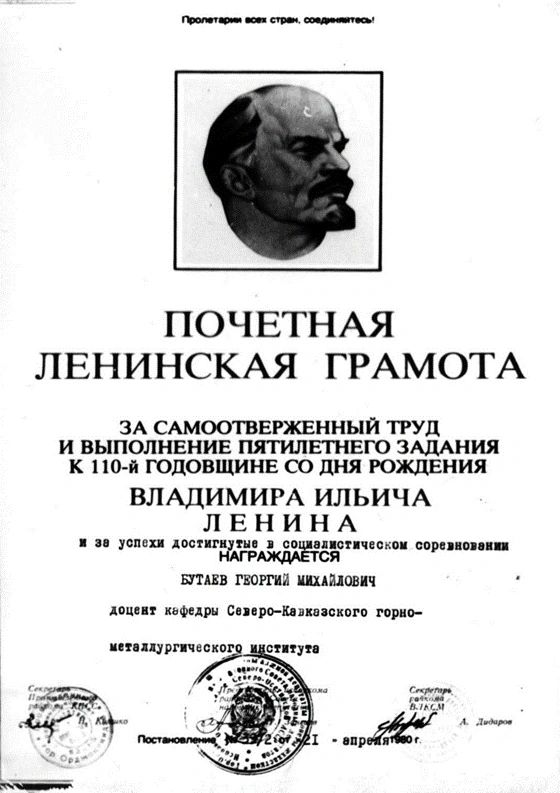
Georgiy Mikhailovich Butaev
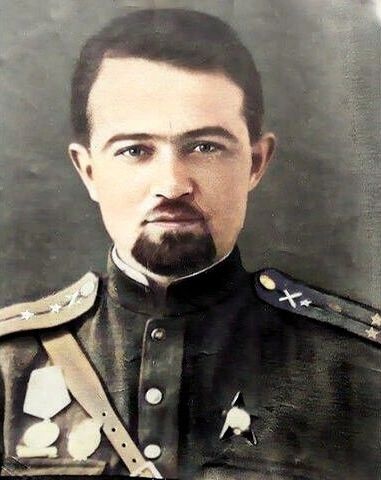
Georgiy Mikhailovich Butaev was born in the town of Alagir, into the family of Mikhail (Mamsyr) Butaev and Ekaterina Butaeva. He enrolled at the Azerbaijan Industrial Institute, graduating with honours in 1939 with a degree in "Power Stations and Networks." Even while still a student, in 1937 he was invited to work as an engineer at the "Krasnaya Zvezda" ("Red Star") power plant in Baku, where power-line failures were frequent. Georgiy Butaev proposed a number of technical improvements, after which the failures stopped.
After graduating from the institute, Georgiy Mikhailovich Butaev was invited to work as an engineer at the Tuapse thermal power plant, later becoming deputy chief engineer for the electrical section. Around the same time he enrolled in the fourth year of the radio engineering faculty of the All-Union Correspondence Institute of Communications. In June 1941 Georgiy Mikhailovich graduated from the radio engineering faculty of VZIS and was recommended for postgraduate study.
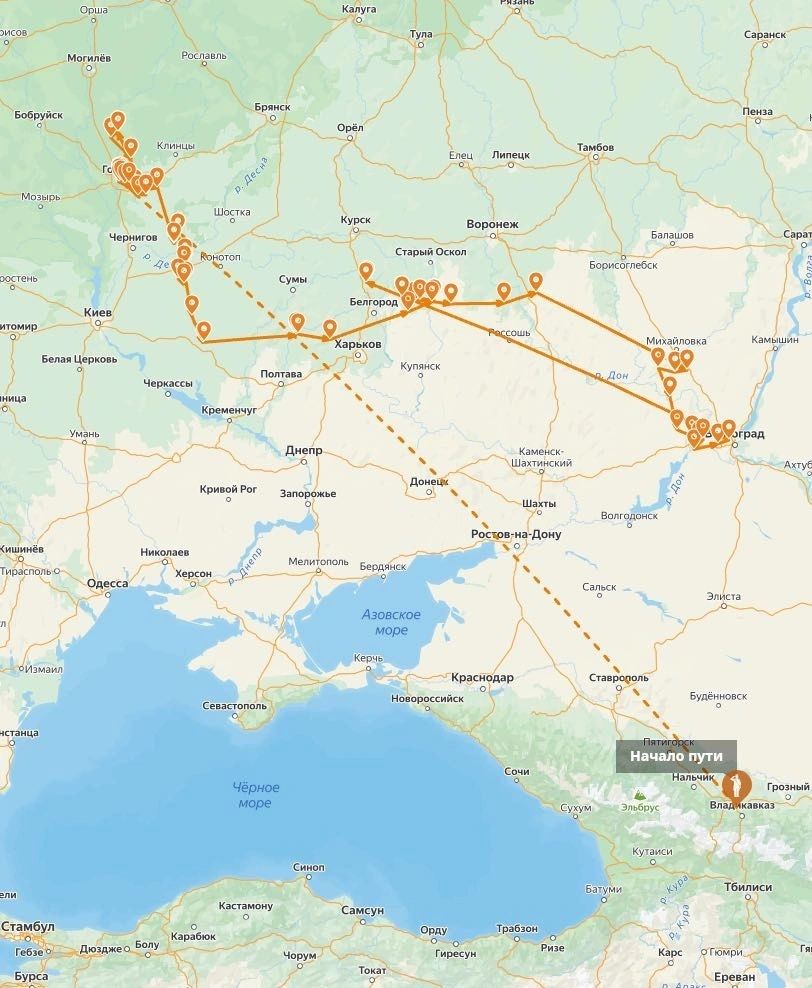
From the first days of the war he served in the active army: platoon commander of a radio unit, chief of reconnaissance of a battalion, battery commander, chief of staff of a regiment, chief of staff of an artillery group.
Georgiy Mikhailovich's combat path took him through the fighting near Kharkiv in 1941, near Stalingrad in 1942, and on the Central Front near Oryol.
In 1943, in the Oryol-Kursk battle, Butaev was shell-shocked and severely wounded by shrapnel in the arm and leg. Military surgeons managed to save the brave captain's arm and leg, but he was discharged on every count. Georgiy Mikhailovich became a disabled veteran of the Great Patriotic War.
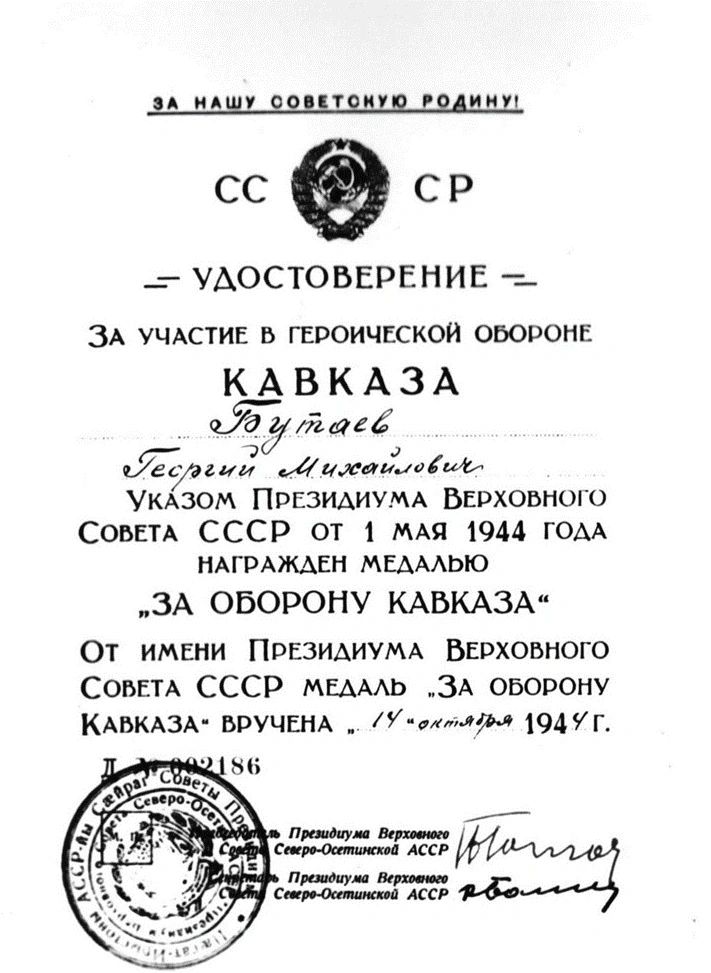
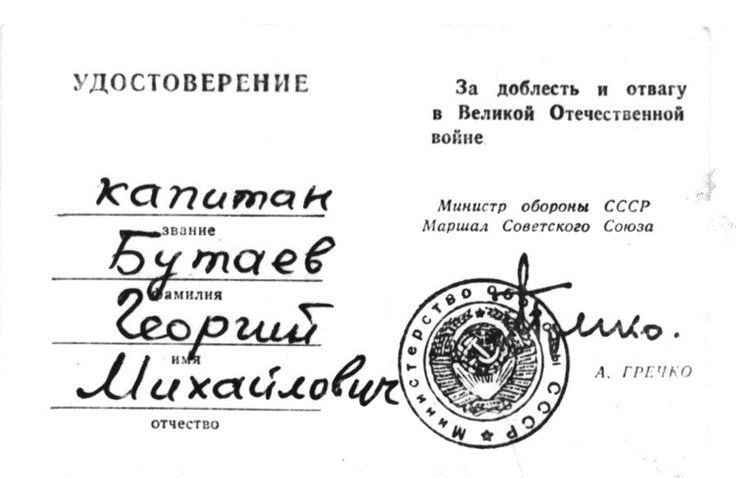
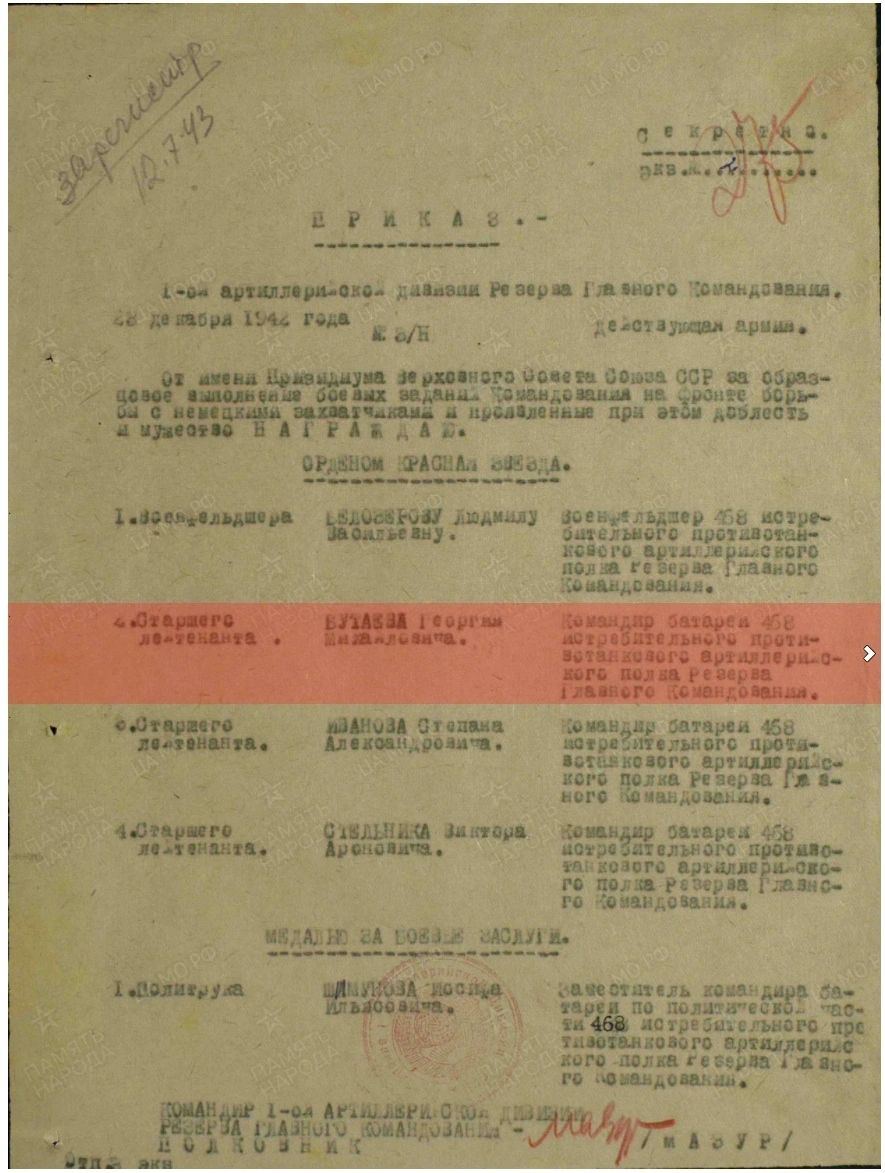
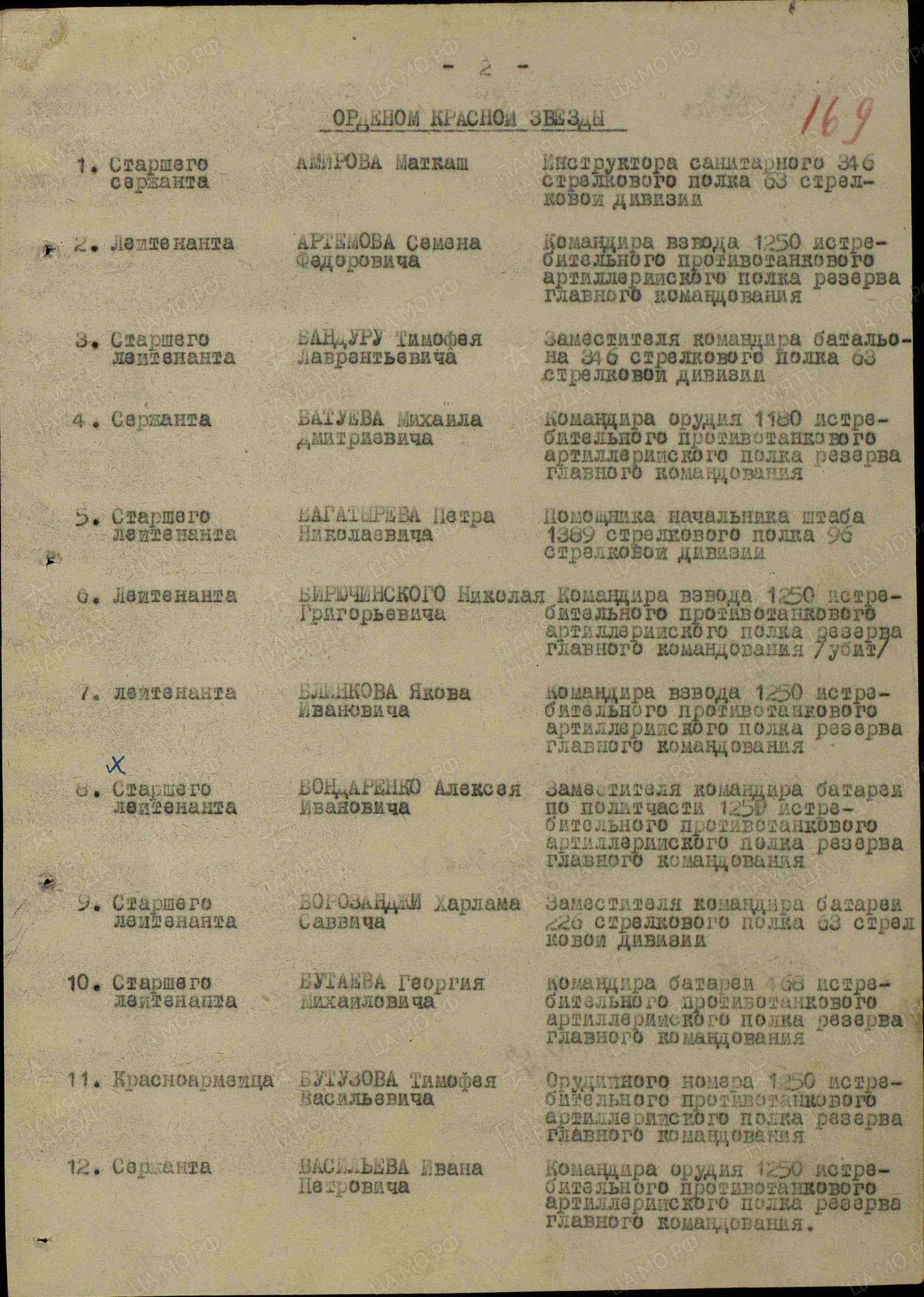
For his courage and valour, and for his skilful command of military units, Guards Captain Georgiy Mikhailovich Butaev was awarded two Orders of the Red Star and many medals.
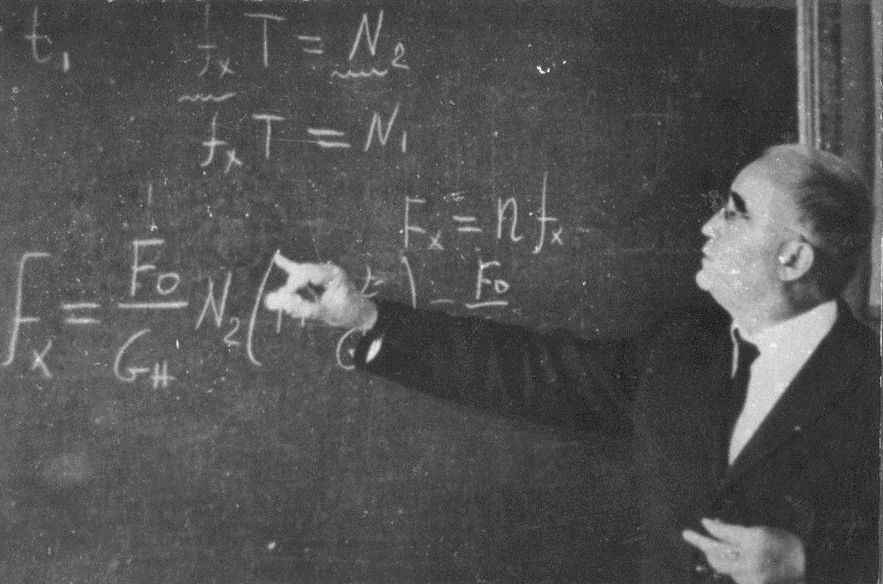
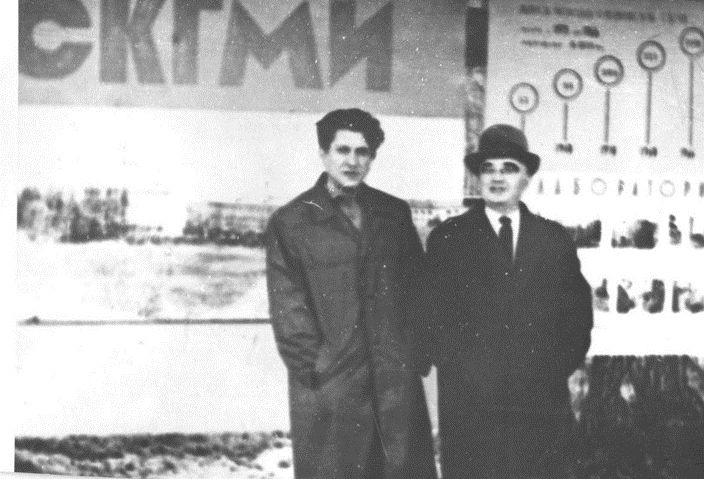
From July 1944 Georgiy was an instructor at the North Ossetian regional party committee, then went on to postgraduate study at the Moscow Institute of Automation and Telemechanics. In 1954 Georgiy Butaev moved to Kharkiv, where he worked for six years at the Kharkiv Aviation Institute. Afterward he worked at the North Caucasus Institute of Mining and Metallurgy — as the first dean of the Faculty of Electronic Engineering and the first head of the Department of Industrial Electronics. At SKGMI, Georgiy Butaev is remembered as a wonderful teacher and a pioneer of teaching electronics specialisations.
He retired holding a Doctor of Technical Sciences degree, the title of professor, and the title of Honoured Worker of Science and Technology of the Russian Federation and of North Ossetia-Alania.
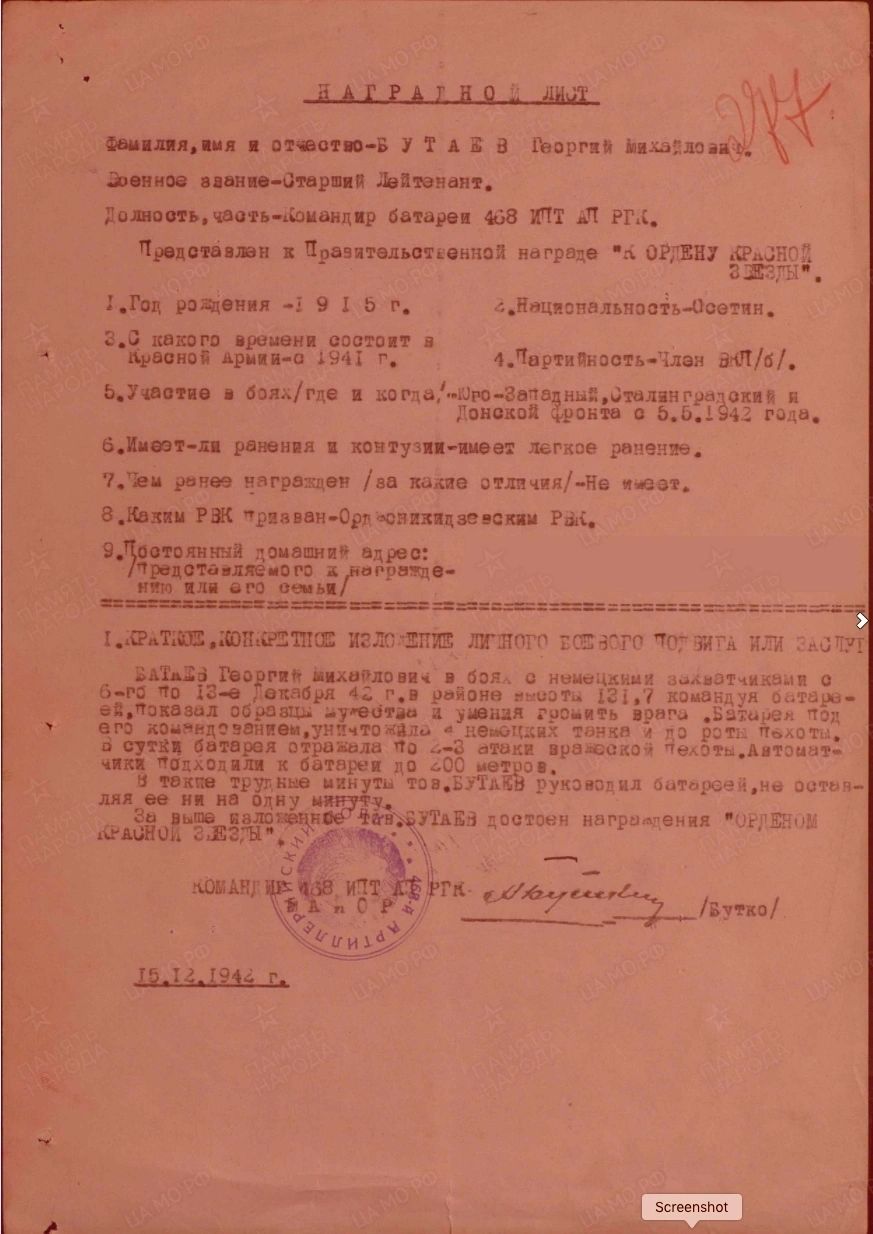
Order of the Red Star, December 1942
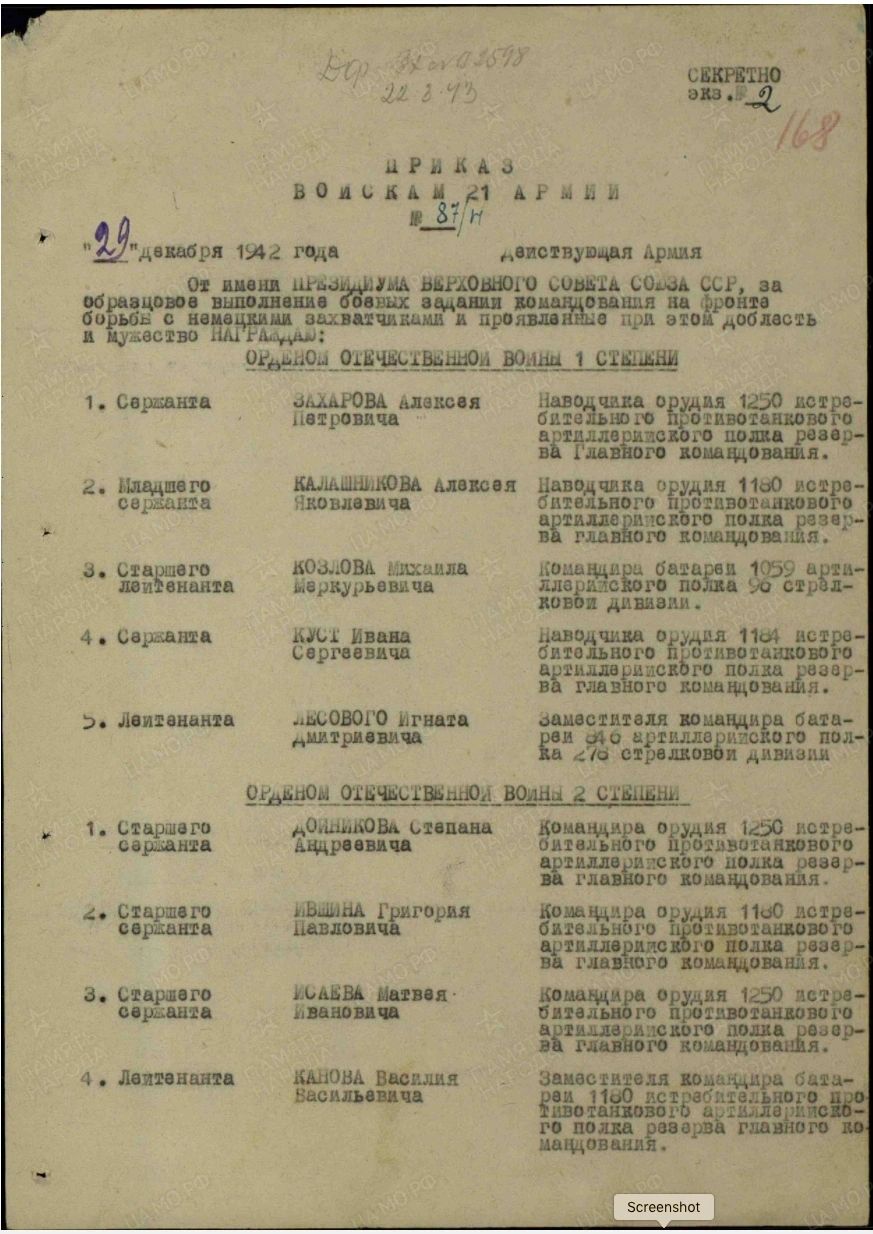
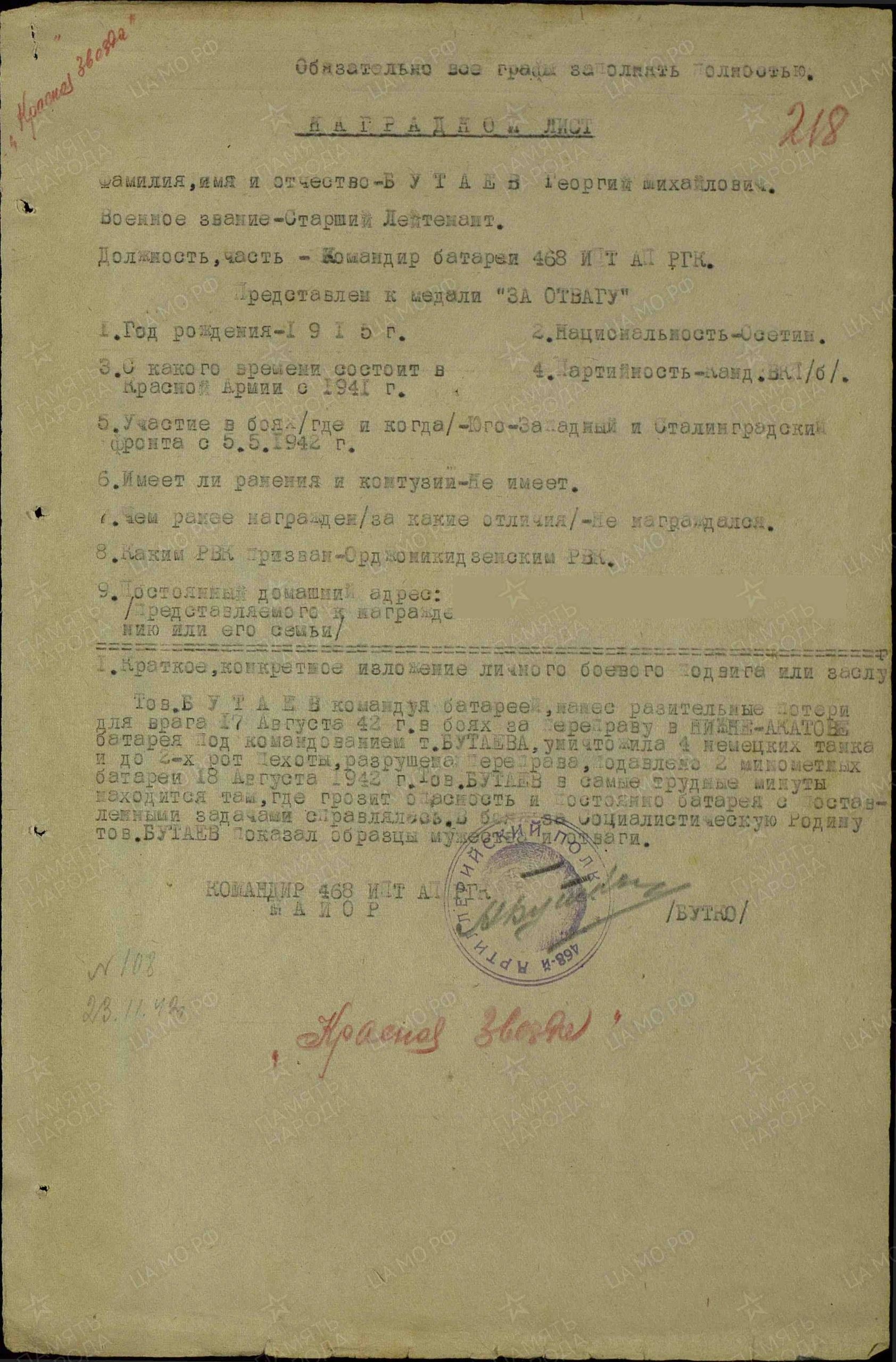
Order of the Red Star, August 1942
War Memories
Audio recording (mp3): "Georgiy Mikhailovich Butaev, memories of the Battle of Kursk."
Zalina Malakhova (Zalina Butaeva), May 9, 2020
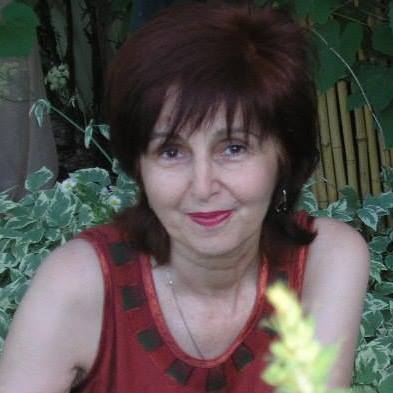
An essay by Zalina Malakhova (née Zalina Georgiyevna Butaeva), daughter of Georgiy Mikhailovich and Zefira Butaev, about her father.
And Where Is That Height, 131.7?
From 6 to 13 December 1942, fighting took place there for which my father was awarded the Order of the Red Star.
Four tanks and a company of infantry. That statistic means nothing to me. Whether it is a lot or a little. And whether two or three enemy attacks a day is a lot or a little.
The dry lines of the award citations: "Submachine gunners approached the battery to within 200 metres. In these difficult moments Comrade Butaev commanded the battery, never leaving it for a single minute." I try to picture those 200 metres. The submachine gunners must already have been clearly visible.
And you had to fire the guns, your job was to cover the others with fire.
But even earlier — on 16 August 1942 — there was an Order of the Red Star for the crossing at Nizhne-Akatov.
Four tanks, two companies of infantry, two mortar batteries.
Dry figures. Filled with nothing. Papa never talked about the war. I saw his scars. I knew he had been an artillery captain.
Only once did he tell me something, but that conversation wasn't about the war. I was already a student, and we were discussing something to do with exams.
I remember that conversation — how his battery had dug in on a suitable rise, preparing for battle. But something wouldn't let him rest easy. He ordered the battery moved and dug in at a different position. And the next day, the place where they had originally been stationed was levelled by the Germans.
Whether you lived or died depended not only on circumstance or courage.
For the fact that I am writing these lines today, I have to thank my father for his intuition. And that memory stays with me. I don't need orchestras or flags. When I think of heroism, I picture those 200 metres that separated him from death.
“A Man’s Fate” (Severnaya Osetiya newspaper, 1995)
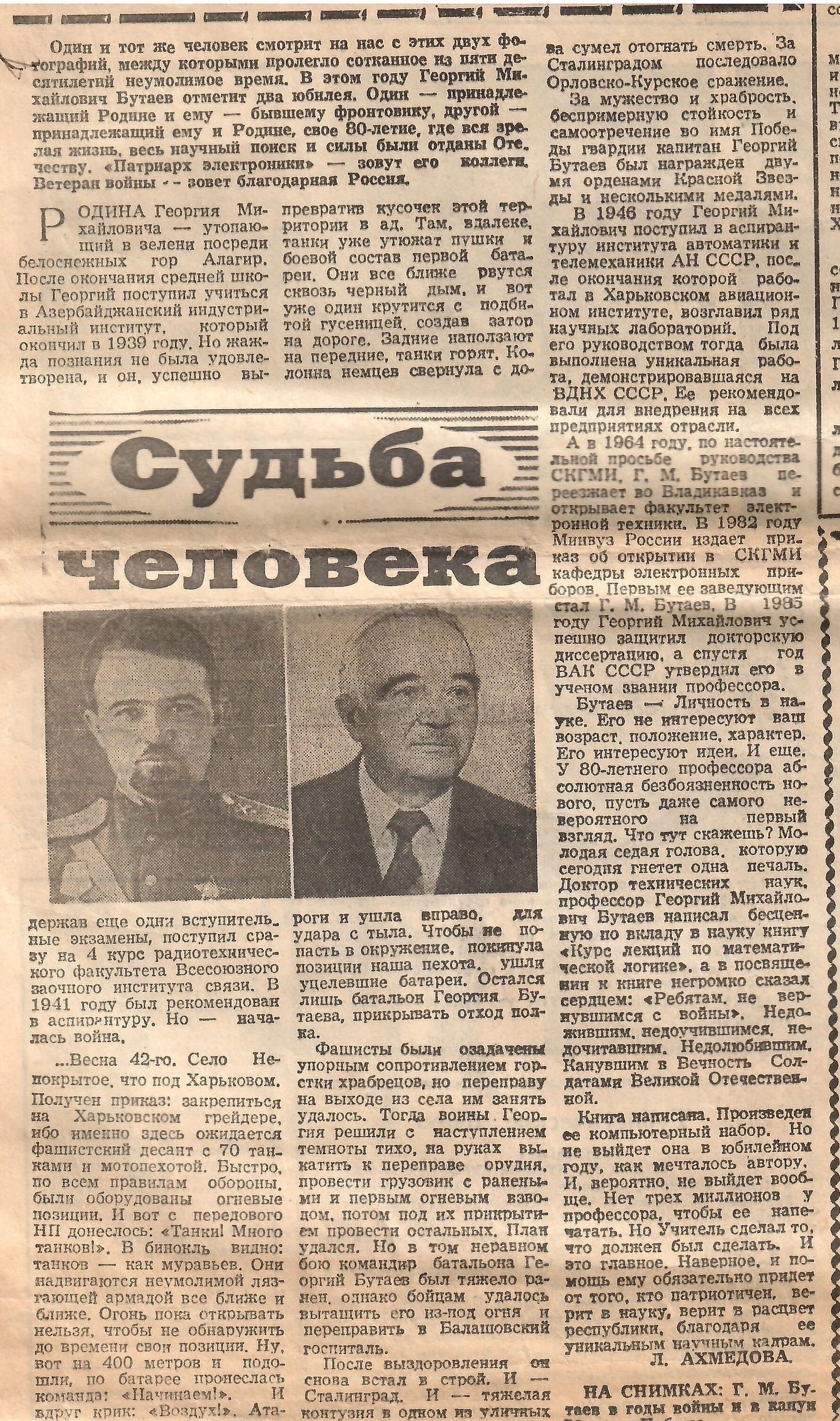
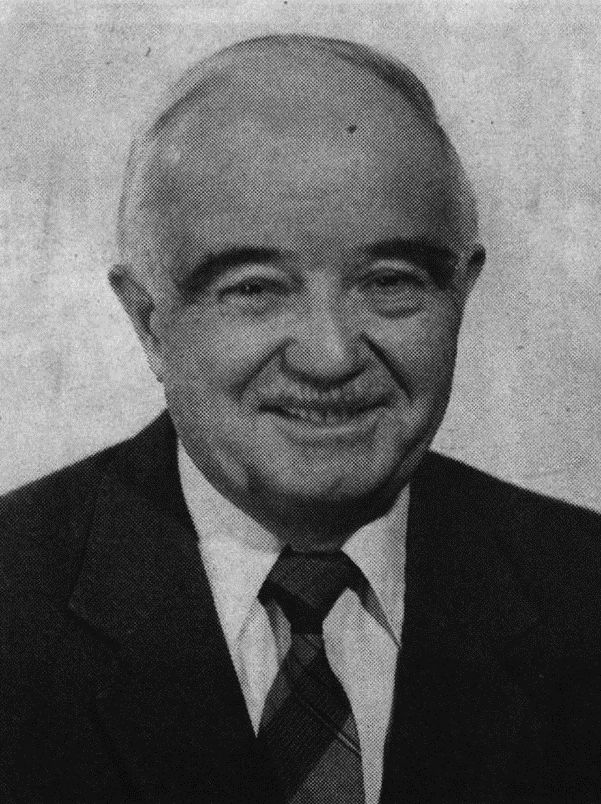
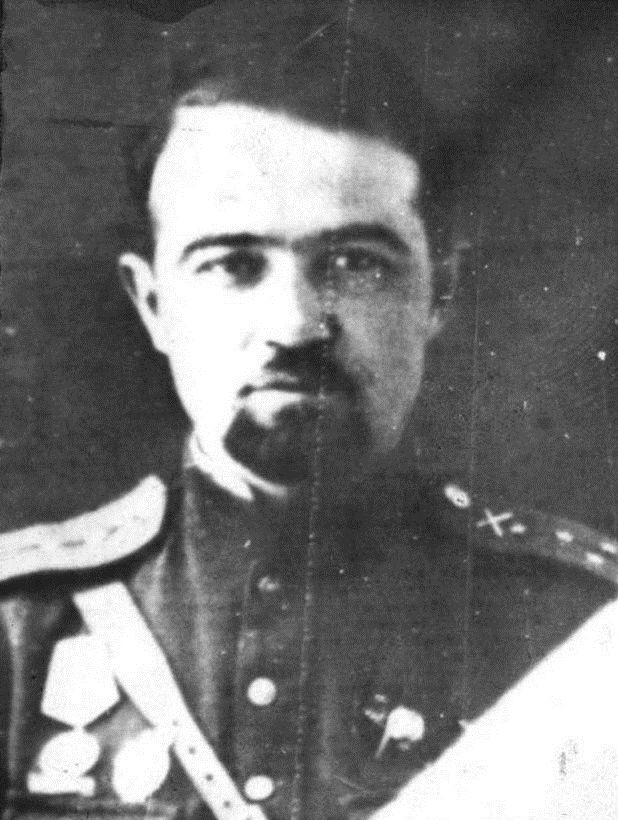
The same man looks out at us from these two photographs, between which stretches the relentless span of five decades. This year Georgiy Mikhailovich Butaev marks two anniversaries. One belongs to the Motherland and to him — a former frontline soldier; the other belongs to him and to the Motherland — his 80th birthday, in which his entire adult life, all his scientific search and strength, were given to the Fatherland. Colleagues call him "the patriarch of electronics." A grateful Motherland calls him a war veteran.
Georgiy Mikhailovich's homeland is Alagir, nestled in greenery amid snow-white mountains. After finishing secondary school Georgiy went to study at the Azerbaijan Industrial Institute, graduating in 1939. But his thirst for knowledge was not satisfied, and, successfully passing another set of entrance exams, he enrolled in the fourth year of the radio engineering faculty of the All-Union Correspondence Institute of Communications. In 1941 he was recommended for postgraduate study. But then — the war began.
...Spring of '42. The village of Nepokrytoye, near Kharkiv. An order arrived: hold the Kharkiv highway, for it was here that a fascist landing of 70 tanks and motorised infantry was expected. Quickly, following every rule of defence, firing positions were prepared. And then, from the forward observation post, came word: "Tanks! Many tanks!" Through binoculars you could see: tanks like ants. They advanced, an unstoppable clanking armada, closer and closer. Fire could not yet be opened, so as not to reveal their positions ahead of time. When they had closed to 400 metres, the command rang out along the battery: "Begin!" The attack turned a patch of that land into hell, from sky and earth alike. In the distance, tanks were already crushing the guns and personnel of the first battery. They pressed ever closer through the black smoke, and now one was spinning in place, its track blown off, blocking the road. The tanks behind crawled into the ones in front; tanks burned. The German column turned off the road and swung right, to strike from the rear. To avoid encirclement, our infantry abandoned their positions, and the surviving batteries withdrew. Only Georgiy Butaev's battalion remained, to cover the regiment's withdrawal.
The fascists were baffled by the stubborn resistance of a handful of brave men, but they did manage to seize the crossing at the edge of the village. Then Georgiy's men decided that, once darkness fell, they would quietly haul the guns to the crossing by hand, get the truck with the wounded and the first firing platoon across, and then, under their cover, get the rest across. The plan succeeded. But in that unequal battle the battalion commander, Georgiy Butaev, was severely wounded; his men, however, managed to pull him out from under fire and get him to the Balashov hospital.
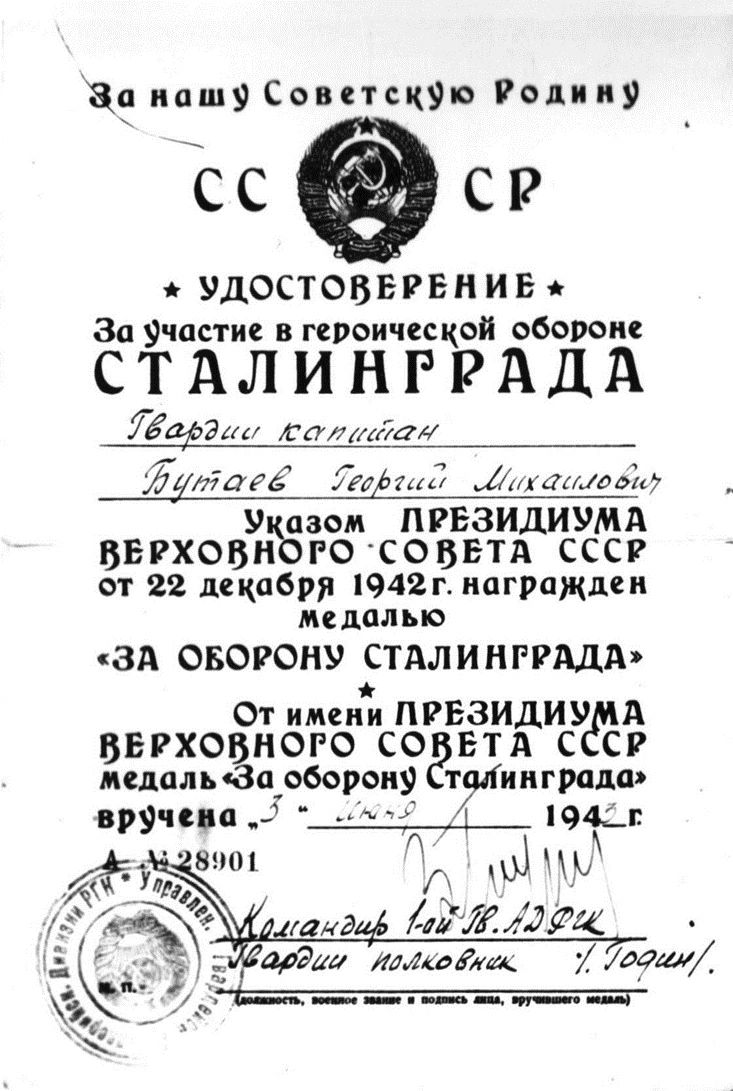
After recovering he returned to the ranks. Then came Stalingrad. And a severe concussion in one of the street battles. His young body again managed to fend off death. Stalingrad was followed by the Oryol-Kursk battle.
For courage and valour, and unparalleled steadfastness and self-sacrifice in the name of Victory, Guards Captain Georgiy Butaev was awarded two Orders of the Red Star and several medals.
In 1946 Georgiy Mikhailovich entered postgraduate study at the Institute of Automation and Telemechanics of the USSR Academy of Sciences, after which he worked at the Kharkiv Aviation Institute, heading a number of research laboratories. Under his leadership a unique piece of work was carried out at the time, one that was exhibited at the USSR's VDNKh exhibition centre. It was recommended for implementation across every enterprise in the industry.
Then in 1964, at the insistent request of the leadership of SKGMI, G. M. Butaev moved to Vladikavkaz and opened the Faculty of Electronic Engineering. In 1982 the USSR Ministry of Higher Education issued an order to open a Department of Electronic Devices at SKGMI. Georgiy Mikhailovich Butaev became its first head. In 1985 G. M. Butaev successfully defended his doctoral dissertation, and a year later the USSR Higher Attestation Commission confirmed him in the academic rank of professor.
Butaev is a Personality in science. Your age, position, or character do not interest him. Ideas interest him. And one more thing: at 80 years old, the professor shows an absolute fearlessness of anything new, however improbable it may seem at first glance. What can one say? A young, greying head, weighed today by a single sorrow. Doctor of Technical Sciences, Professor Georgiy Mikhailovich Butaev wrote a book of inestimable scientific value, "A Course of Lectures on Mathematical Logic," and in the book's dedication he said quietly, from the heart: "To the boys who did not return from the war." To those who did not live long enough, did not finish their studies, did not finish reading. Did not love enough. Who vanished into Eternity, the Soldiers of the Great Patriotic War.
The book has been written. It has been typeset. But it will not appear in the anniversary year, as its author had dreamed. And, in all likelihood, it may never appear at all. The professor does not have the three million needed to print it. But the Teacher did what he had to do. And that is what matters most. Perhaps help will surely come, too, from someone patriotic, who believes in science, who believes in the flourishing of the republic thanks to its unique talents.
L. Akhmedova
In the photographs: Georgiy Mikhailovich Butaev during the war years and on the eve of the 50th anniversary of Victory.